Walk right into any kind of hectic bread kitchen area, alcoholic drink bar, or weekend home breakfast, and you will see the exact same little steel cyndrical tubes scattered near the sink: cream chargers. They look trivial, virtually like large bullets, yet these little capsules drive modern whipped lotion culture. The question that maintains turning up, especially among specialists who experience situations monthly, is whether recyclable cream chargers meaningfully minimize waste and if they're worth the rate and initiative. I have actually made use of thousands of battery chargers across dining establishments, pop-ups, and R&D benches, and I have actually trialed most of the greener choices on the marketplace. Below is the straight take.
What cream chargers really are
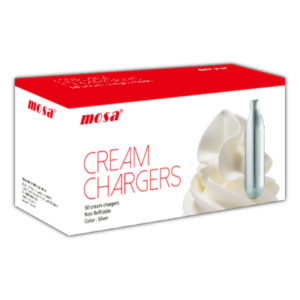
A lotion battery charger is a sealed steel cartridge loaded with laughing gas. When you screw it into a compatible dispenser, the pin pierces the https://canvas.instructure.com/eportfolios/3379543/charlieeriv405/from-order-to-doorstep-the-journey-of-nang-deliveries-in-melbourne cartridge, the gas dissolves into the cream, and the stress gives you that fast, secure foam. In bread, they conserve time. In bars, they develop mousse-like heads for beverages, instill aromatics right into spirits, and maintain foams that hold for service. A common 8 gram battery charger is single-use, which is the heart of the sustainability argument. You utilize one, possibly two per half-liter siphon, after that throw the empty shell.
The terms you see are commonly interchangeable. Whipped cream chargers, N2O cream chargers, Nitrous Oxide cream chargers, cream chargers. Same layout, small differences in gas pureness and manufacturing coating. Purists expect gas pureness and oil residue because that turns up as off tastes in delicate preparations. In bread competitions, the difference in between 99.95 percent and 99.99 percent pureness is not theoretical.
Why the environmental question is not trivial
The shell is steel. Steel is highly recyclable. The catch is actions, not chemistry. Numerous drivers toss empties into basic waste due to the fact that they appear like pressurized containers and they don't know whether facilities accept them. Staff turn over substances the problem. A single mid-sized restaurant will burn via 100 to 400 chargers a week throughout active period. That's a little hill of steel in a year.
Then there is the gas. Laughing gas is a greenhouse gas with an international warming possible far greater than carbon dioxide. A lot of that impact occurs at release since the gas in a single battery charger winds up in the environment eventually, whipped right into the lotion and spread. There is no recording it after solution. You can minimize the metal waste. You can not make N2O not be N2O. That establishes reasonable expectations.
So the question ends up being narrower and much more sensible: can we at least make liable choices concerning the equipment we regulate, and do those decisions pay their way?
What "recyclable" means in practice
Manufacturers advertise recyclable chargers, which normally indicates a few points. First, the covering appears steel without plastic collars or layers, so a metropolitan scrap stream can approve it. Second, many include a little venting notch or suggest piercing the invested pill before tossing it into steel recycling, simply to reveal it's depressurized. Third, some brand names run take-back or mail-in programs that settle shells for bulk recycling.
The difference between a recyclable charger and a battery charger that really gets recycled hinge on logistics. A bar with a clear, labeled collection container alongside the dish machine will certainly draw away almost all coverings to reusing. A coffee shop without a system will miss out on fifty percent. When I introduced a simple routine at a 40-seat restaurant, we went from sending out practically every shell to landfill to recycling over 90 percent of them. The trick was a dedicated bin, a staff huddle explaining that invested shells are safe once pierced, and a fast once a week decrease in the scrap steel tote.
It is additionally worth noting that the steel in these shells is typically rather tidy. Scrap backyards like it. Municipal programs vary. If your hauler rejects pressurized containers, ensure personnel pierce the spent end with a nail punch or location the shells in a program that clearly approves them. The aesthetic sign issues to sorters.
The cost calculus cooks really face
If you get by the case, you understand the spread. Deal battery chargers might set you back a few cents less each than costs recyclable choices. On a limited food cost, those cents add up. That claimed, the actual mathematics includes waste hauling and labor. When metal recycling is currently component of your operation, including cream charger shells barely changes anything, and the ecological benefit is easy to warrant. When you count on exclusive haulers that bill by weight, the impact turns. Steel is hefty. If the recycler pays or takes it cost-free, good. Otherwise, you're checking out a neutral or slightly higher logistic cost.
There is additionally the high quality dimension. In my experience, respectable brand names that highlight recyclability have a tendency to keep better gas purity, cleaner interior liners, and tighter QC on leak seals. That shows in the lotion. A gritty hiss, strange metal tastes, or inconsistent whipping stress usually come from inadequate manufacturing, not from the truth of recyclability. If the recyclable charger is also the better battery charger, the price costs purchases you fewer fell short siphons and far better item security. That matters to anybody doing delicate foams or to-go desserts that rest 20 minutes before service.
If you run numbers across a month, the distinction between a bottom-tier shell and a mid-tier recyclable one may range from a couple of bucks to a couple hundred, depending upon quantity. If you press 3,000 to 5,000 chargers per month, you need to be calling the provider for bulk pricing anyhow. The bigger the buy, the narrower the per-unit gap.
Refillable systems: pledge and headaches
Every sustainability discussion around whipped cream chargers eventually faces refillable systems. Theoretically, a refillable N2O cylinder feeding a siphon using a regulated adapter removes most single-use coverings. In practice, the market is fragmented. Food-grade nitrous refills, regulator compatibility, and safety accreditations differ by region. Where compliant, refillable cylinders reduced the steel waste substantially. You replenish the larger cylinder regularly, like a small soda CO2 container, then make use of an application regulatory authority to charge the siphon. The downsides are nontrivial: you need training, a clear SOP, examined fittings, and insurance policy sign-off.
I have seen refillables work well in big bread laboratories and cocktail bars with a disciplined, practically inclined team. I have likewise seen them banned by proprietors that dislike the danger account and the ahead of time financial investment. If you're not all set to deal with regulators, periodic assessments, and strict chain-of-custody for gas purity, stick with single-use yet recycle diligently.
Gas pureness and performance belong to sustainability
Waste is not only regarding steel. If a battery charger breaks seal unevenly or contaminates lotion with off-flavors, that set gets tossed. That's food waste, labor waste, and service delays. The most effective N2O cream chargers deliver constant stress and extremely reduced trace oils. Good coverings minimize foam collapse and help dairy products whip to come to a head in 20 to 30 seconds with minimal agitation. They likewise aid plant-based lotions that can be fussier under pressure.
Performance intersects with safety and security. Overcharging a siphon to make up for weak gas is a bad practice. It emphasizes gaskets, brings about fractured heads, and has actually harmed greater than a couple of people. I favor battery chargers that meet published requirements for capacity which come in tamper-evident packaging. If a provider can't document gas purity and batch testing, I don't place their cartridges on my line.
The unusual edge case: culinary vs leisure misuse
Any conversation concerning laughing gas needs to note the elephant in the space. Chargers are often drawn away for entertainment usage. In areas where that ends up being a public issue, retailers deal with restrictions and added paperwork. From a sustainability angle, misuse enhances litter and weakens recycling efforts because coverings appear on roads and parks, much from appropriate containers. If your company operates in a city influenced by this, work with your waste hauler to set up a closed-loop collection, keep your supply safe, and take into consideration brands that provide bulk packaging with tamper-resistant features. It is not extravagant, but it is practical.
Lifecycle thinking without the fluff
The steel impact is only component of the lifecycle. Take into consideration producing power, transport, and end-of-life. A hefty, single-use steel capsule produced overseas and delivered by container then by truck still holds up reasonably well in lifecycle analyses due to the fact that steel reuses effectively, and the mass per unit is small. You reduced influence even more by acquiring chargers made closer to home, settling deliveries, and appropriately recycling every spent shell.
Transport adds much less than many people think, specifically if your distributor already runs a course that drops off other products. If you inquire to grab your consolidated shells for reusing on the return leg, you may close a loophole with virtually no additional emissions.
People occasionally request a simple number. There isn't one, yet the direction is clear: draw away metal to recycling, favor documented high-purity gas, and educate your team so foam returns correspond. The ecological and operational victories stack.
What to look for when you shop
Labels like "recyclable" vary in substance. A couple of brand names do the bare minimum. The better ones define the alloy, validate that the shells are uncoated steel, and consist of guidance for risk-free venting. Some release third-party screening for gas pureness. Accreditation distinctions by region make apples-to-apples hard, but you can still vet providers by asking for a product information sheet, a security information sheet, and a recycling declaration. If they dodge those requests, relocation on.
Anecdotally, when we switched to a brand that highlighted recyclability and recorded 99.95 percent purity, the pastry group reported extra stable chantilly, less obstructions at the nozzle, and less variation in between the very first and last dispense from a charged siphon. That is not a regulated trial, however it associate what I've seen throughout sites.
Managing the back-of-house reality
Recycling programs stop working for mundane reasons. Bins roam. Labels discolor. New staff never ever obtain the two-minute speak about what certifies. Resolve for the apparent. Make a dedicated, clearly identified steel container near the dispenser cleansing station. Post a straightforward direction: pierce, awesome, throw in steel bin. Do not overcomplicate it with a clipboard or token system. When the container loads, it enters into your steel reusing stream with sheet frying pans and old whisks.
Train on the threats you in fact deal with. An invested charger is risk-free when vented and awesome. Warm water plus a just recently used covering can blister fingers. The siphon head is the larger risk. Never open up a siphon under pressure. Change gaskets on a timetable. Rinse cream residue without delay so valves do not confiscate and compel added gas to compensate later.
For bars, the technique looks comparable. Link the charger workflow to mise en location. If your cocktail program makes use of one cylinder for coconut foam and an additional for bitters-laced meringue, tag the siphons and the chargers kept close by. Over time, the routine keeps waste reduced and outcomes consistent.
The options people bring up
CO2 does not replacement for laughing gas in cream billing. It acidifies and yields sour, loose foam. It benefits seltzer and specific batters, not for dairy-based whipping. Vegetable-based stabilizers integrated with air whipping can achieve respectable tops without gas, and many pastry shops do it for prep batches. But the holding top quality under rush conditions drops contrasted to N2O-based foams.
Electric kitchen counter whippers exist, some with mini-cylinders or internal compressors. They are fascinating for home cooks and some coffee shops. In specialist settings, capacity and upkeep issues limit their fostering. If you run a small coffee shop and only need a gentle whipped topping for 20 drinks an hour, test one. If you are sending 120 coffees and 40 treats in a service, it will not maintain up.
Are recyclable cream chargers worth it?
For most procedures that count on single-use chargers, yes. They deserve it, supplied you place a minimal system in position to really reuse them. The costs, where it exists, buys far better QC along with the environmental benefit. In the broader photo, this is not a silver bullet. You are still using nitrous oxide, and that lugs an environment price. If you can adopt a secure refillable system with verified food-grade gas and appropriate training, your metal waste drops near no. If that is not feasible, treat recyclable coverings as your default and back it with a real collection and training plan.
My limit is simple. If a brand can not inform me where the coverings are made, what the gas pureness is, and just how to recycle them, I do not equip it. If they can, and their shells execute regularly in service, I fit paying a bit extra. That small additional per treat or beverage is undetectable to visitors yet purposeful in aggregate.
Real-world purchasing and setup tips
- Choose a brand that documents gas purity and offers reusing guidance, then acquire by the instance for price stability and batch consistency. Place a labeled steel container at the cleaning terminal, train staff to pierce and trendy spent shells, and consist of the bin in your existing metal recycling stream. Track battery charger usage for a week. If you surpass a couple of thousand units each month, check out refillable systems with your insurance firm and supplier, and demand a website demo. Standardize recipes to decrease waste. A clear ratio of lotion to gas per siphon lowers overcharging and junked product. Audit quarterly. If greater than a handful of shells end up in general trash, deal with the workflow place or signage.
Those five actions cover 90 percent of the gains without touching your menu.
The profits for pros and serious home cooks
For specialists, recyclable whipped cream chargers are a simple nudge toward much better technique. You regulate what occurs to the steel, you keep item top quality high, and you send a signal to vendors that environmental insurance claims should tie to real layout selections, not just advertising and marketing. For home cooks who utilize a loads chargers a month, throw the empties into curbside steel recycling if your program allows it, or drop them at a scrap lawn with your household steels. It takes virtually no additional time.
None of this changes judgment. If your procedure barely makes use of N2O, the attention belongs in other places. If you are leaning on cream chargers for every prep and garnish, the impact is actual. Go for fewer, better, and reused. That is a defensible placement, and it maintains your foams lavish, your personnel secure, and your principles a little lighter.